Smart Eating, Strong Living.
The ketogenic diet is very low in carbohydrates and high in fats. It forces the body into ketosis, where fat is burned for energy instead of carbs, leading to rapid weight loss and reduced appetite in many individuals.
Keto Diet
A low-carb diet reduces intake of carbohydrates like bread, rice, and sugar. It helps lower insulin levels, reduce hunger, and encourages the body to burn stored fat for energy, making it effective for steady and sustainable weight loss.
Low-Carb Diet
Intermittent fasting involves cycling between eating and fasting periods, such as 16:8 or 18:6. It helps reduce calorie intake naturally, improves metabolism, and encourages fat burning while giving the digestive system regular rest periods.
Intermittent Fasting
This diet is based on traditional eating patterns of Mediterranean countries. It includes fruits, vegetables, whole grains, fish, olive oil, and nuts. It supports heart health and weight loss through balanced nutrition and healthy fats.
Mediterranean Diet
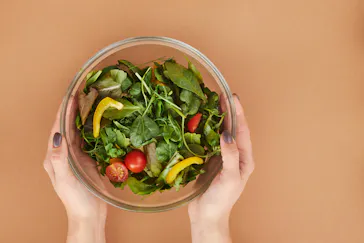
The paleo diet focuses on foods that early humans likely ate, such as meat, fish, fruits, vegetables, nuts, and seeds. It avoids processed foods, grains, and dairy, encouraging natural eating and reducing calorie-dense modern foods.
Paleo Diet

The DASH diet is designed to lower blood pressure but also supports weight loss. It emphasizes fruits, vegetables, lean proteins, and low-fat dairy while limiting salt, sugar, and saturated fats for improved overall health.
DASH Diet
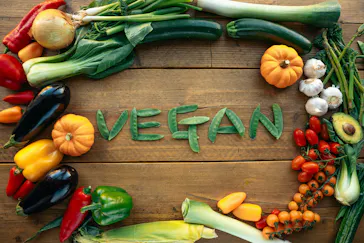
A vegan diet eliminates all animal products, including meat, dairy, and eggs. It focuses on plant-based foods like vegetables, fruits, legumes, and grains, often leading to lower calorie intake and improved weight management.
Vegan Diet

A vegetarian diet excludes meat but may include dairy and eggs. It relies on plant-based foods, which are typically lower in calories and fat, helping many people achieve gradual and healthy weight loss.
Vegetarian Diet

This diet is based on consuming fewer calories than the body burns daily. It is the foundation of all weight loss plans and allows flexibility in food choices while ensuring gradual fat loss over time.
Calorie Deficit Diet
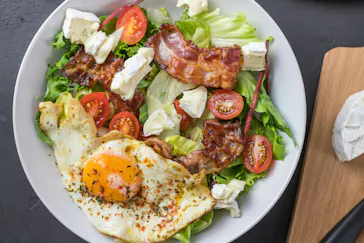
A high-protein diet increases intake of protein-rich foods like eggs, chicken, and legumes. Protein helps reduce hunger, boosts metabolism, and preserves muscle mass during weight loss, making fat loss more effective and sustainable.
High-Protein Diet
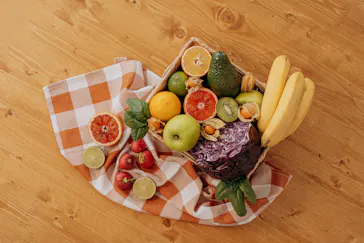
The GM diet is a short-term 7-day plan involving specific food groups each day, such as fruits or vegetables. It promises quick weight loss but is very restrictive and not recommended for long-term use.
GM Diet
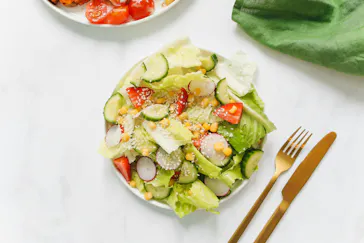
The Atkins diet is a low-carb eating plan with phases that gradually reintroduce carbs. It promotes fat burning in early stages and helps control appetite, making it effective for rapid initial weight loss.
Atkins Diet
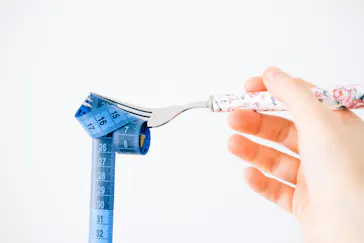
The Zone diet balances macronutrients in a fixed ratio of carbohydrates, protein, and fats. It aims to control insulin levels, reduce inflammation, and promote steady weight loss through balanced and portion-controlled meals.
Zone Diet

A detox diet focuses on cleansing the body using fruits, vegetables, juices, and water. It aims to eliminate toxins and reduce bloating, though much of the weight loss is often temporary water weight.
Detox Diet
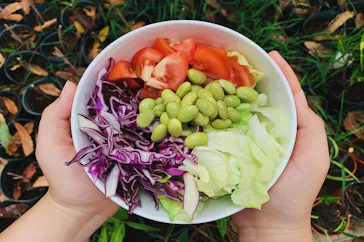
The raw food diet includes uncooked and unprocessed foods like fruits, vegetables, nuts, and seeds. It preserves nutrients and enzymes while naturally lowering calorie intake, which can support weight loss and improved digestion.
Raw Food Diet
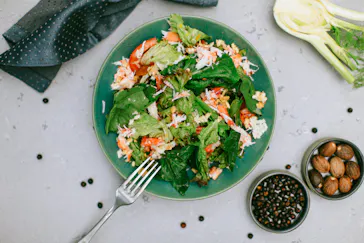
Flexitarian Diet
A flexitarian diet is mostly vegetarian but allows occasional meat or fish. It encourages plant-based eating while offering flexibility, helping reduce calorie intake without strict restrictions, making it easier to maintain long-term weight loss.
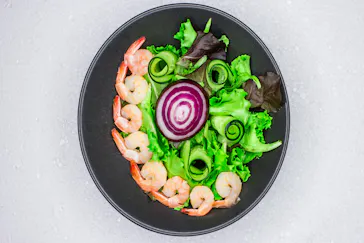
South Beach Diet
The South Beach diet focuses on healthy fats and good carbohydrates while avoiding refined sugars and processed foods. It progresses in phases, helping stabilize blood sugar and support steady fat loss over time.
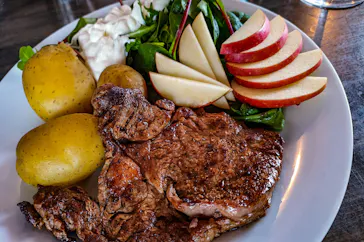
Carnivore Diet
The carnivore diet consists only of animal products like meat, fish, and eggs. It eliminates all plant foods, leading to very low carb intake and potential weight loss, but may lack essential nutrients.
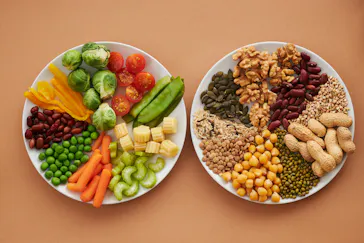
Volumetrics Diet
The volumetrics diet emphasizes low-calorie, high-volume foods like fruits, vegetables, and soups. It helps people feel full while consuming fewer calories, making it easier to maintain a calorie deficit for weight loss.
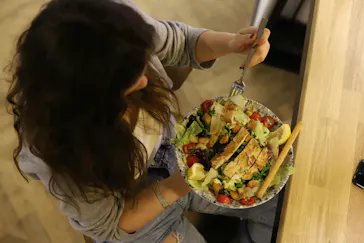
Meal Replacement Diet
This diet replaces one or more daily meals with shakes, bars, or smoothies. It simplifies calorie control, reduces overeating, and supports quick weight loss when combined with balanced meals and proper nutrition.